
Empowering women as agents of transformative change to improve the health of all, building on their unique skills and responsibilities in the different One Health domains
Gender Responsive Approach
We have developed a gender-responsive One Health approach to harness the potential of women as catalysts of transformative change, and to support their socio-economic empowerment, while addressing the root causes of One Health inequities (Garnier et al., 2020, 2022)
Women As Agents of Change
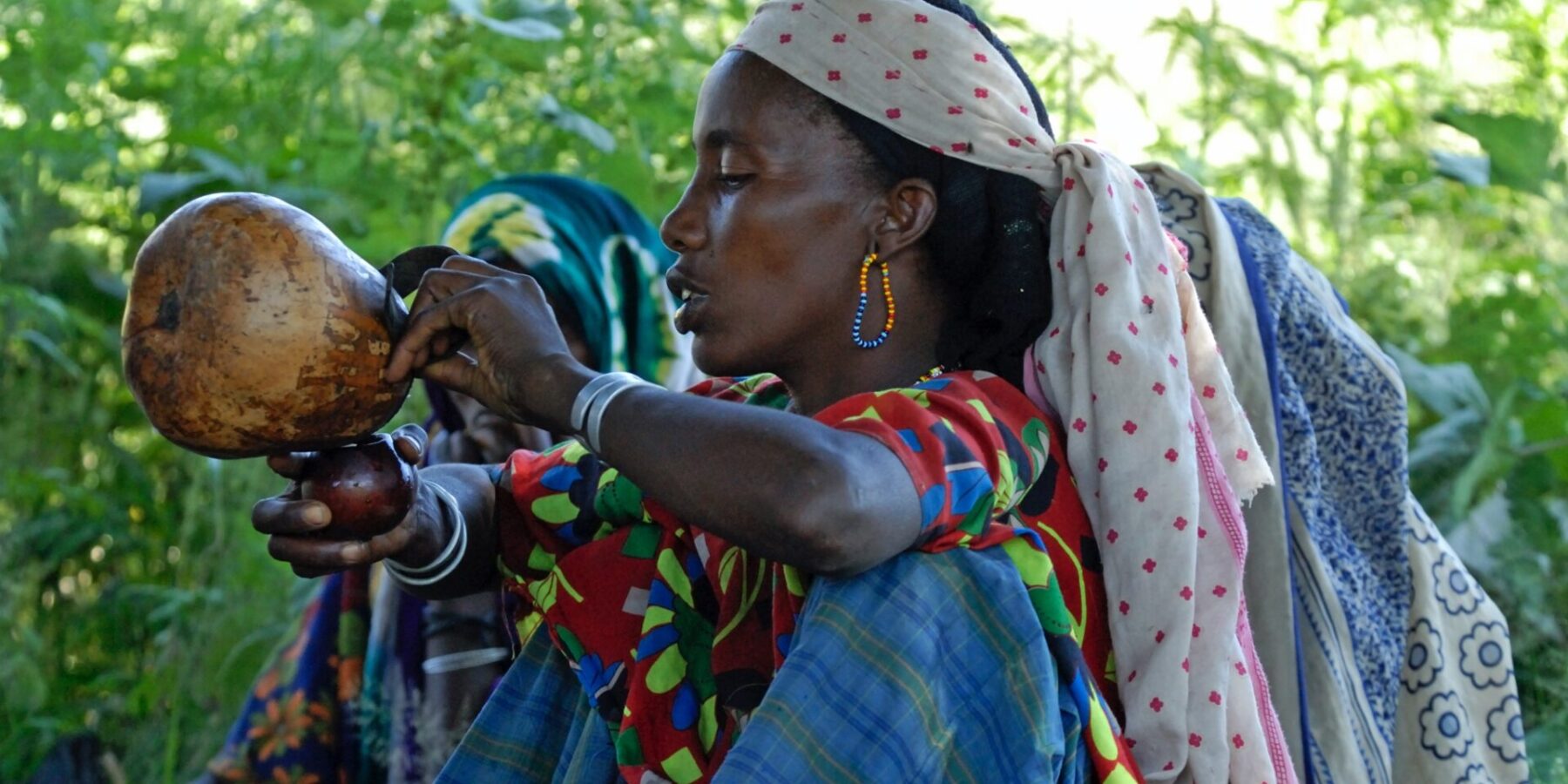
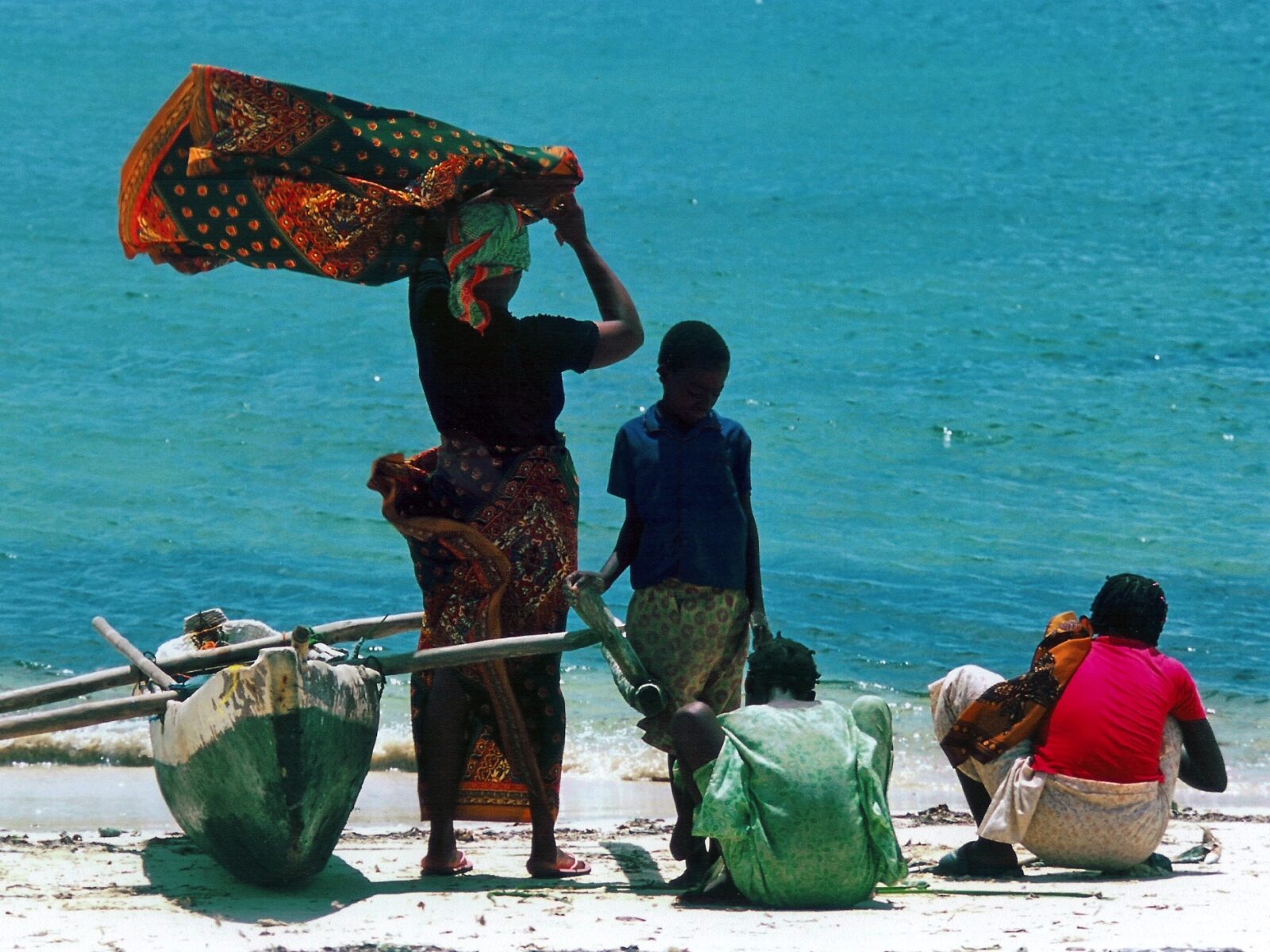
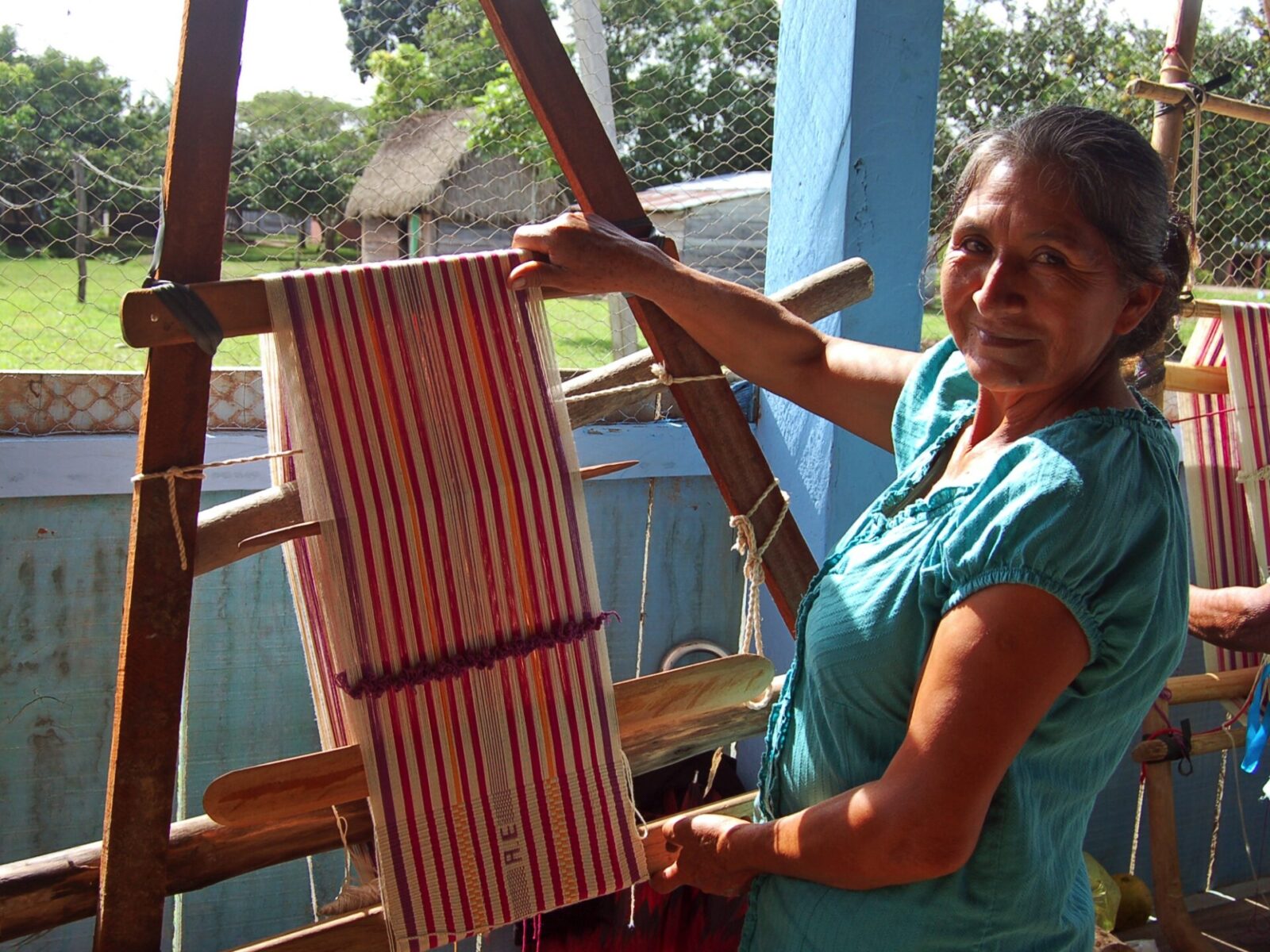
Our gender-responsive approach allows us to harness the potential of women as powerful agents of transformative change at all levels of society. Their active participation and shared leadership in our One Health In Action programs drive progress in human health , animal health, plant health and ecosystem health, in biodiversity conservation and climate adaptation.
Family Caretakers
As the primary caretakers of family health and education and the providers of food, water, energy and medicine, women play a pivotal role in the conservation of their environment and adaption to climate change. They pass on their awareness of the value of nature to their children and as such represent the main custodians of biodiversity.
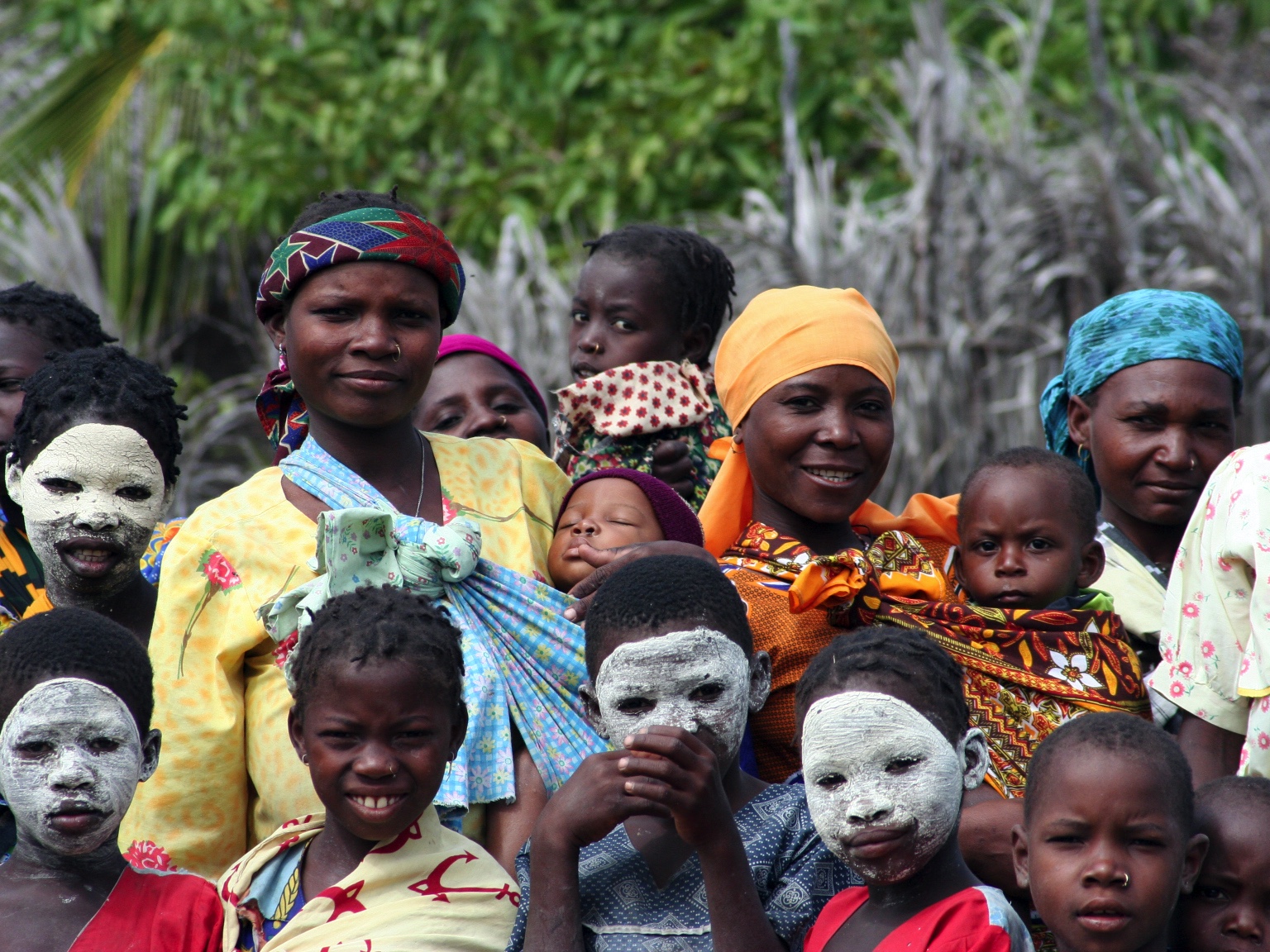

Throughout Africa, women are the primary caretakers, holding significant responsibility for tilling the land and feeding their families. As a result, they are often the first to become aware of environmental damage as resources become scarce and incapable of sustaining their families.
Wangari Maathai, Nobel Peace Prize.
Women and Human Health
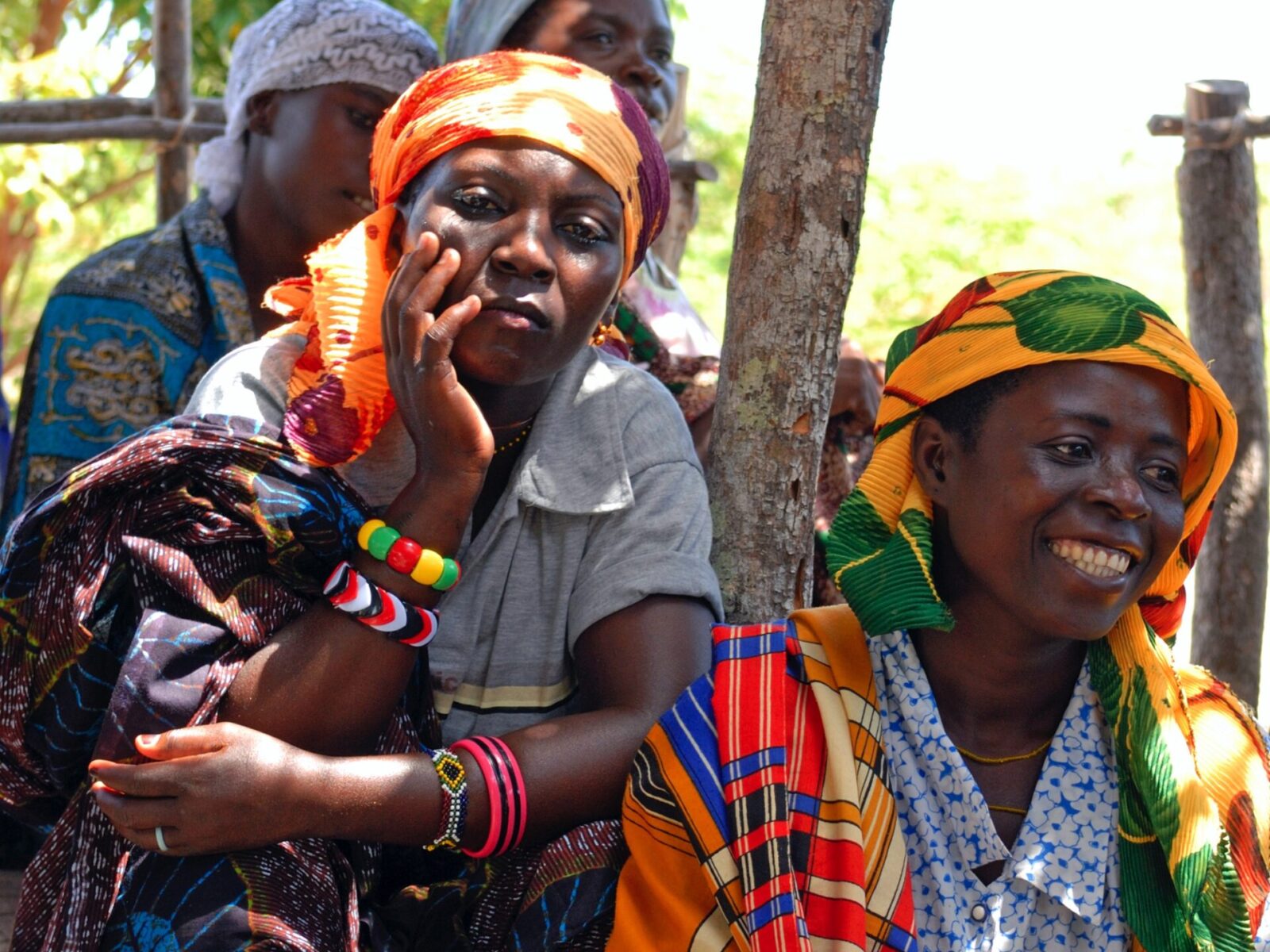
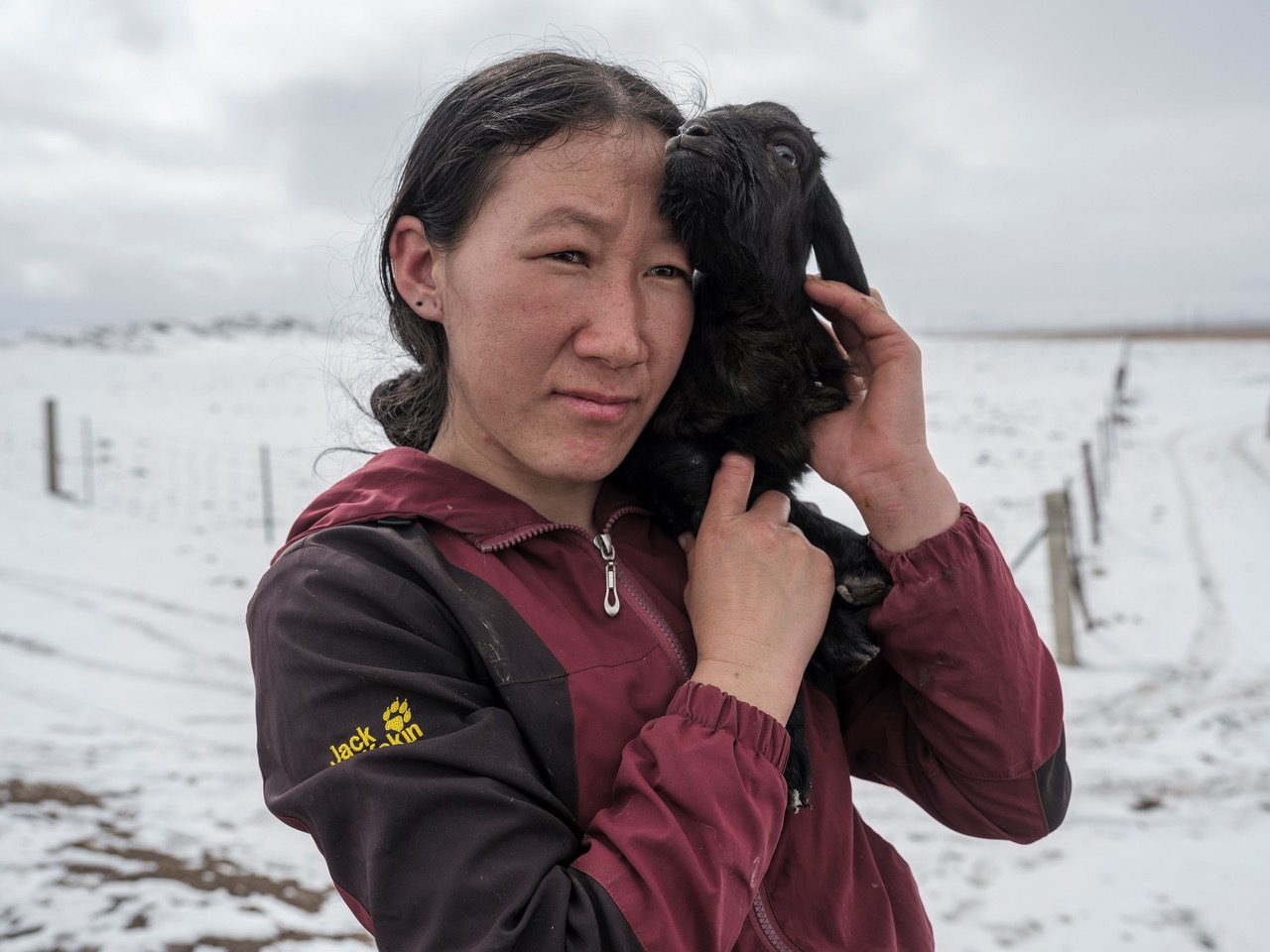
Women are often responsible for the care and management of small livestock and domestic animals, which are vital to household food security and income as well as playing an important role in social life. Their roles in preventing zoonotic diseases, managing preventive animal health care and preventing predation by wild predators are crucial. Supporting women with the right tools and knowledge enhances animal health, food security, and livelihoods, contributing to our overall gender-responsive One Health framework. As much as 2/3 of a household’s annual income can be lost in a single attack of livestock by wild carnivores (Nature, 2023)
Women and Biodiversity
Through our gender-responsive and rights-based One Health approach, we promote sustainable practices that regenerate ecosystems and secure biodiversity for future generations. Women‘s deep environmental knowledge about medicinal plants, wild foods, seed selection helps maintain genetic diversity and adapt agricultural practices to environmental changes. Co-building programs based on local people’s holistic ecological knowledge with scientific innovation, while promoting gender equity, helps to ensure the sustainability of our One Health In Action programs.
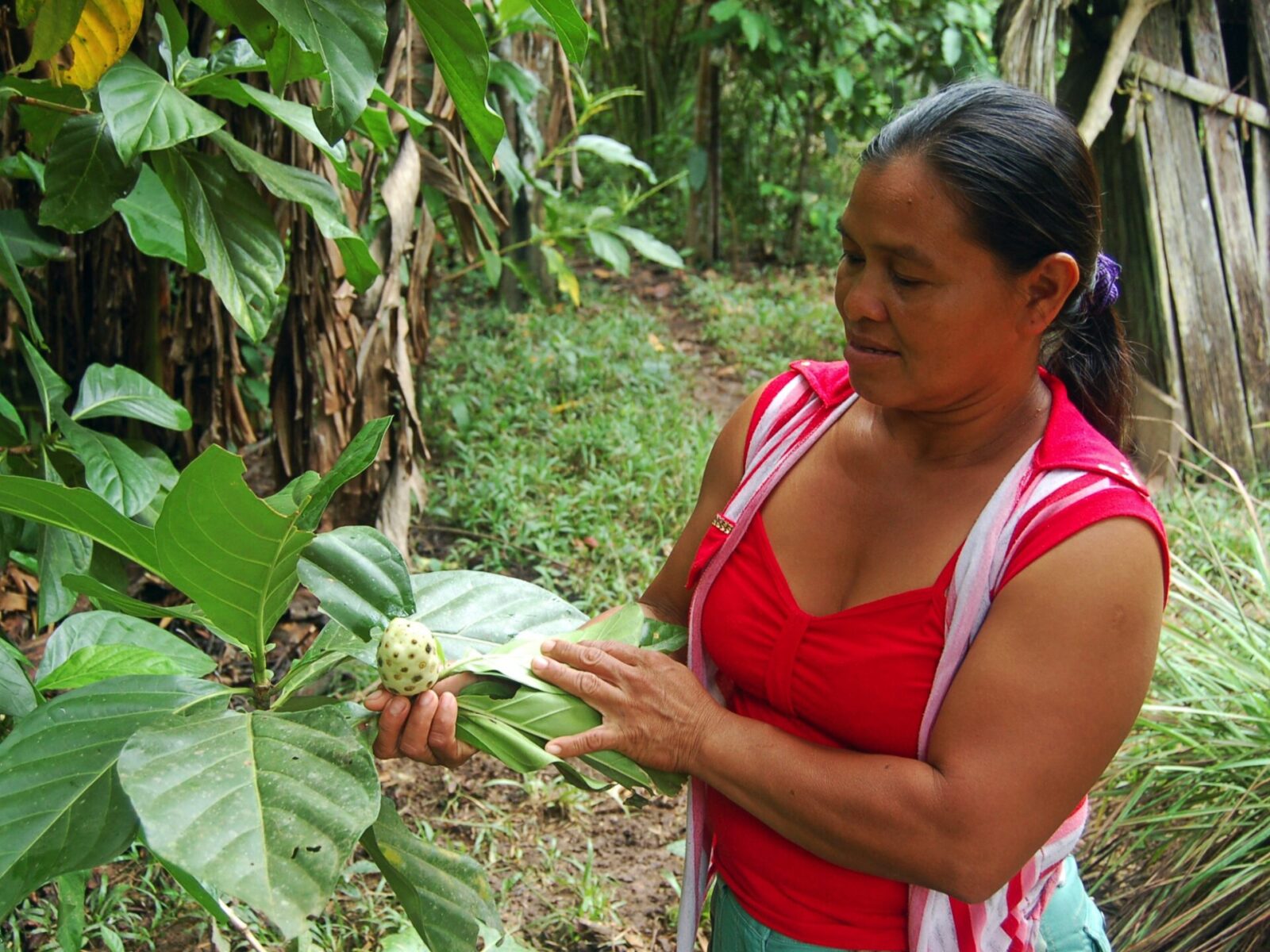
“The women are closest to the land- we need them to become our leaders. And as men, we are servants and protectors of Mother Earth. Only in this harmony will we find balance.”
François Paulette, Dene Traditionalist
Food Security
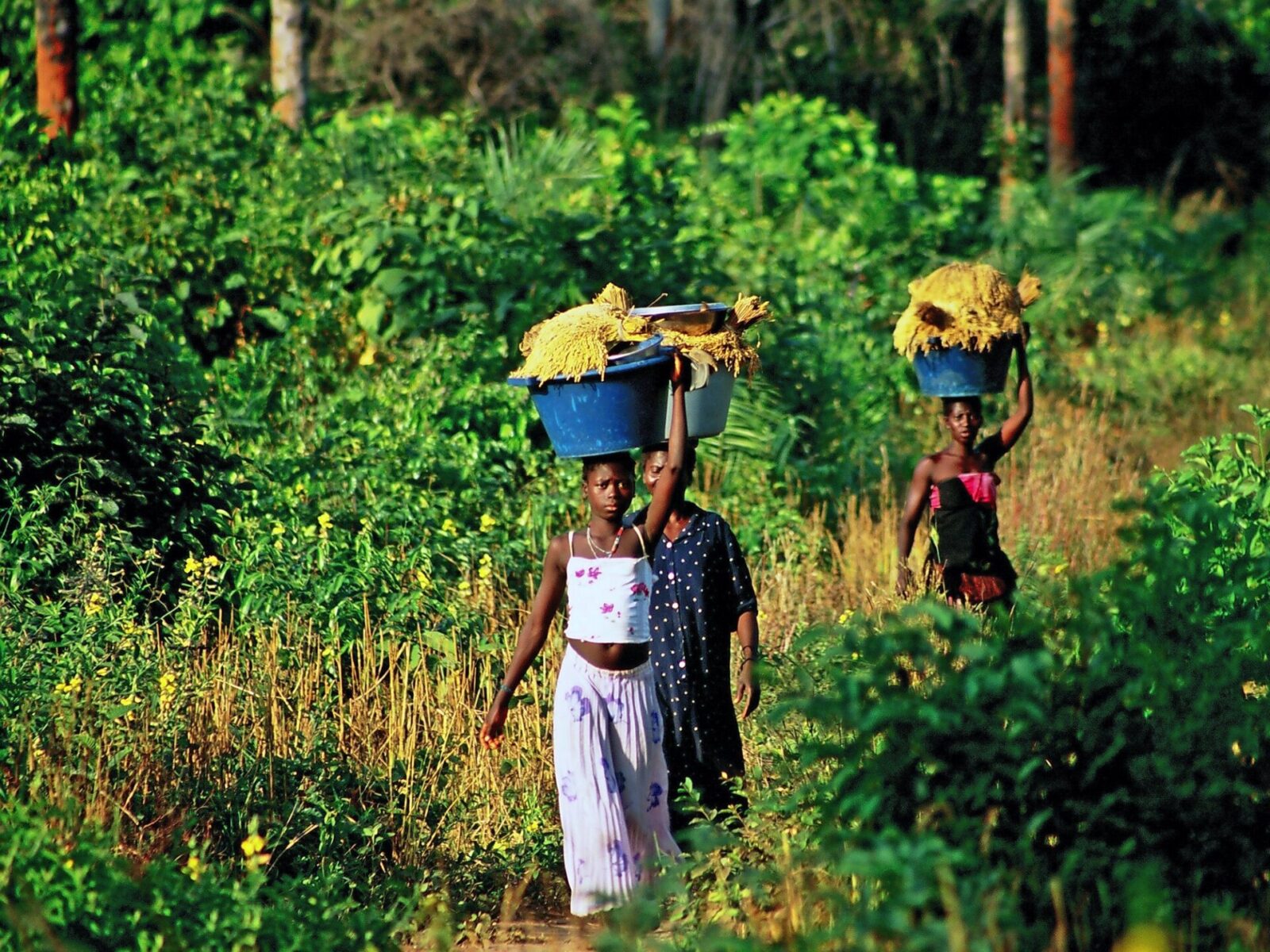
Women in developing countries are in charge of growing subsistence crops and can produce up to 80% of cultivated food. They collect wild foods and manage home gardens with vegetables, fruits and often medicinal plants, selecting carefully the best varieties of crops and edible plants depending on climatic conditions. By keeping small livestock and preparing food at home, they also play a key role in the prevention of food-borne diseases and zoonotic disease.
Family Health
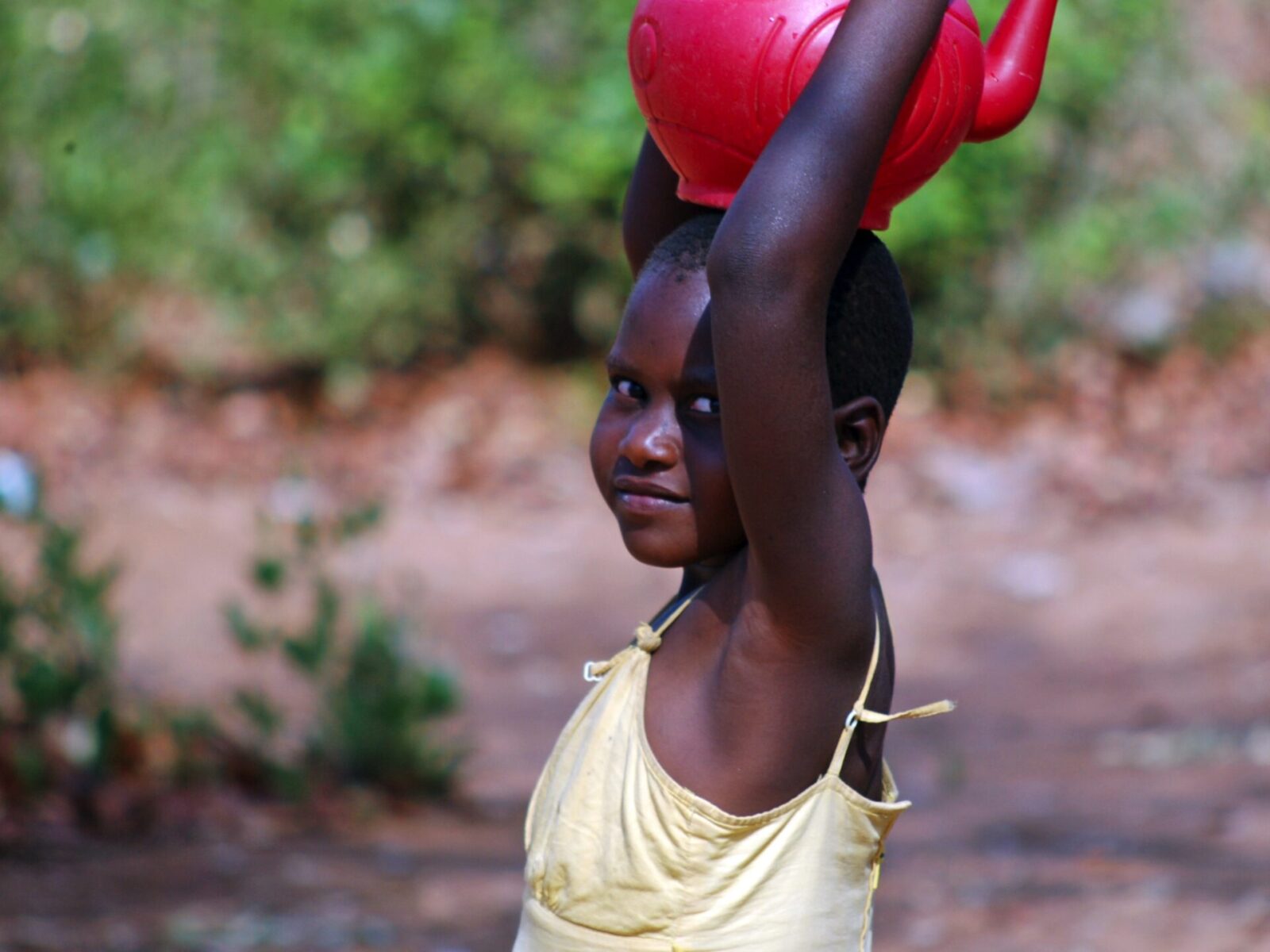
In low-income countries, women and girls are responsible for managing household water supplies and family health. Unsafe water and sanitation still kills 499,000 children under five every year. Walking through bushlands for up to 6 hours each day to access water or fuelwood considerably reduces available time for income generation, education or child care. It also increases risks of attacks by wildlife or physical aggressions by humans, responsible for the deaths of 250,000 children under five every year.
Adaptation to Climate Change
Women are in the frontline of climate change, often facing the greatest risks while also holding key knowledge for adaptation. Their traditional practices in resource management and resilience-building are indispensable in mitigating climate impacts.
Our gender- responsive One Health approach leverages this expertise to develop holistic and sustainable solutions that foster resilience and build adaptive capacity of communities and landscapes in the face of climate crises.
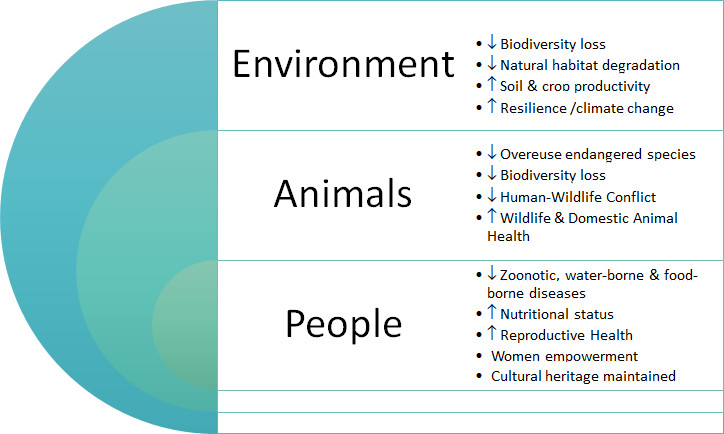
Our Impact
Our projects deliver a synergy of results.
Through supporting women, we have achieved landmarks in family health and food security, livelihood and the conservation of the natural and cultural heritage.
The outputs delivered in our projects contribute to 12 of the 17 Sustainable Development Goals (SDGs).