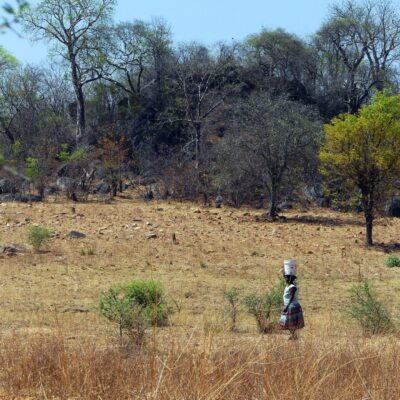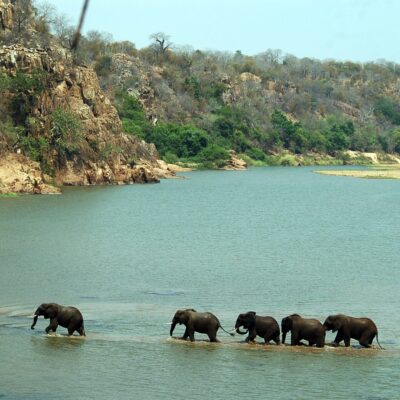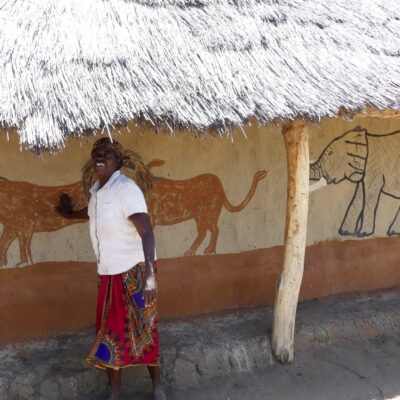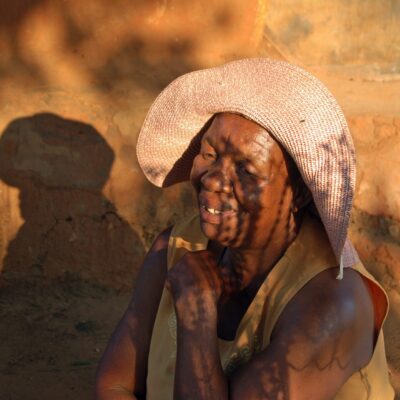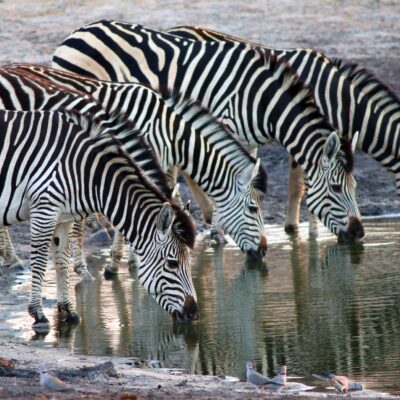

The Nambya people of Zimbabwe live along Hwange National Park which is part of the Kavango-Zambezi Transfrontier Conservation Area (Kaza-TFCA) in southern Africa. Encompassing 35 conservation areas over five countries (Zimbabwe, Zambia, Botswana, Namibia, Angola) the Kaza- TFCA covers 500,000 km2 and represents the largest conservation area in the world, also holding the largest population of African elephant.
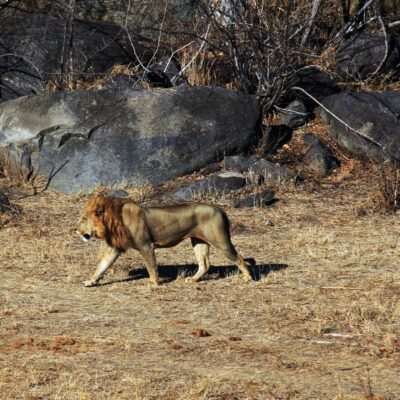
The Nambya community originated from the Great Zimbabwe Rozvi empire and settled in what was the original land of the Tonga. Their livelihood has traditionally been based on cattle rearing and farming but is now threatened by severe droughts and the depletion of hydrological resources, recurrent episodes of food insecurity worsened by an important human-wildlife conflict, livestock poor health and predation by lion. Food and water security challenges well as human-wildlife conflict are exacerbated by climate change.
| Location | North-west ZimbabweHwange National Park |
|---|---|
| Threatened Ecosystem and Wildlife | Arid savanna woodland, Kalahari desertElephant, brown hyena, wild dog, lion, gemsbok |
| Local people | Nambya people |
| One Health Challenges | Human-wildlife conflict, under-nutrition, no sources of income, zoonotic diseases, water rarefaction, soil erosion, climate change |
| Activities | Improved animal health management Develop alternative sources of income for women Integrated water management |
THE CHALLENGE
Nambya people live around Hwange National Park which harbor around 50,000 elephants. Their livelihood has traditionally been based on cattle rearing and farming but is now threatened by severe droughts and the depletion of hydrological resources, recurrent episodes of food insecurity worsened by an important human-wildlife conflict, livestock poor health and predation by lion. Food and water security challenges well as human-wildlife conflict are exacerbated by climate change.
OUR IMPACT
- Improved livelihood through enhanced livestock health and holistic human-wildlife conflict management
- Enhanced food & water security
- Women’s socio-economic empowerment
- Harmonized co-existence between communities and wildlife
Partners: African Bush Camps Foundation, WILDCRU, Hwange Lion Research project